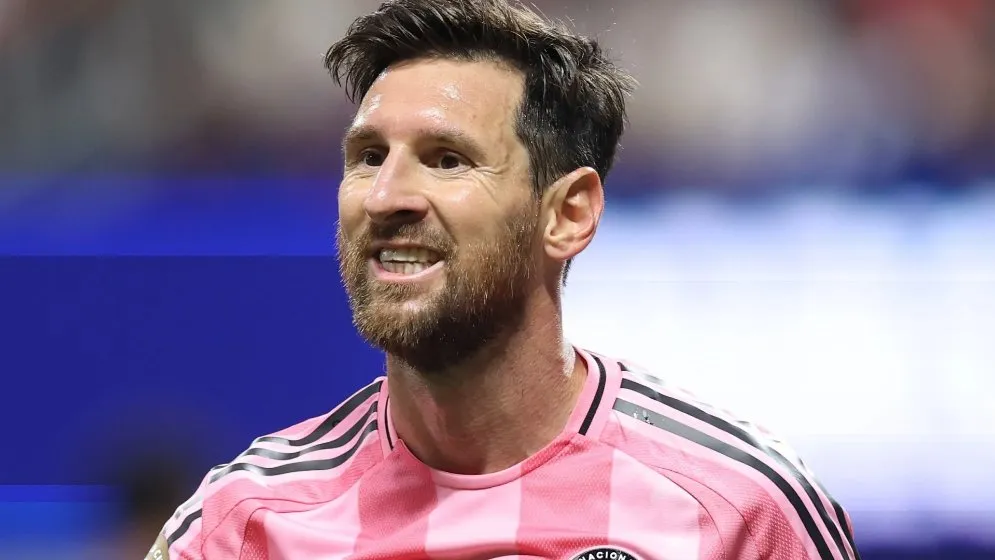
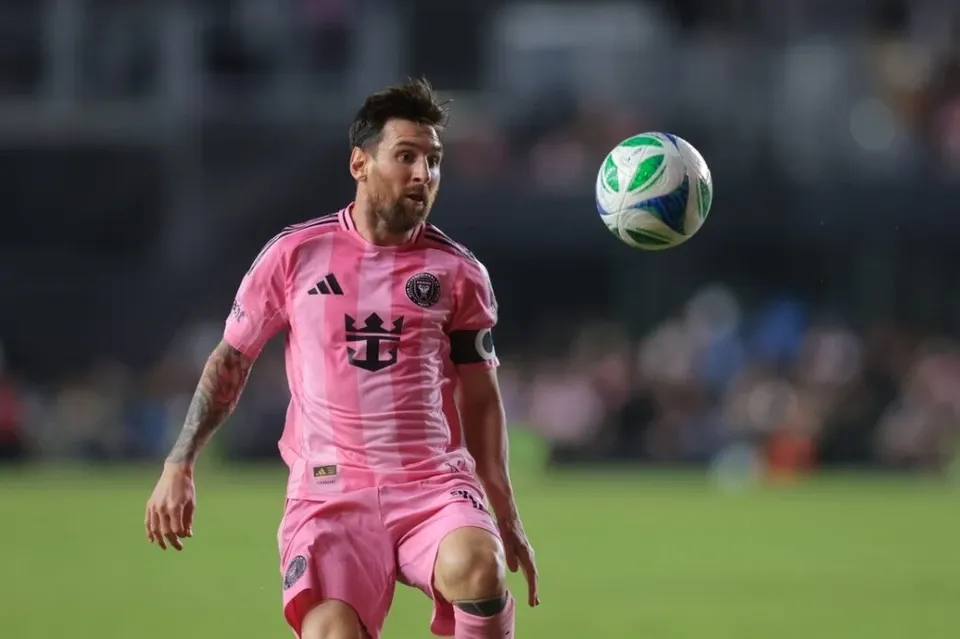
El fútbol mundial podría estar a punto de presenciar una de las combinaciones más explosivas de los últimos tiempos. Mientras Casemiro ultima su salida del Manchester United, los rumores sobre su llegada al Inter Miami no dejan de crecer. Con cada temporada que pasa, la Major League Soccer demuestra que su poder de atracción es cada vez mayor, y la oportunidad de ver al Tornado Brasileño vistiendo la legendaria camiseta inter miami messi se perfila como una de las grandes historias del próximo mercado de fichajes.
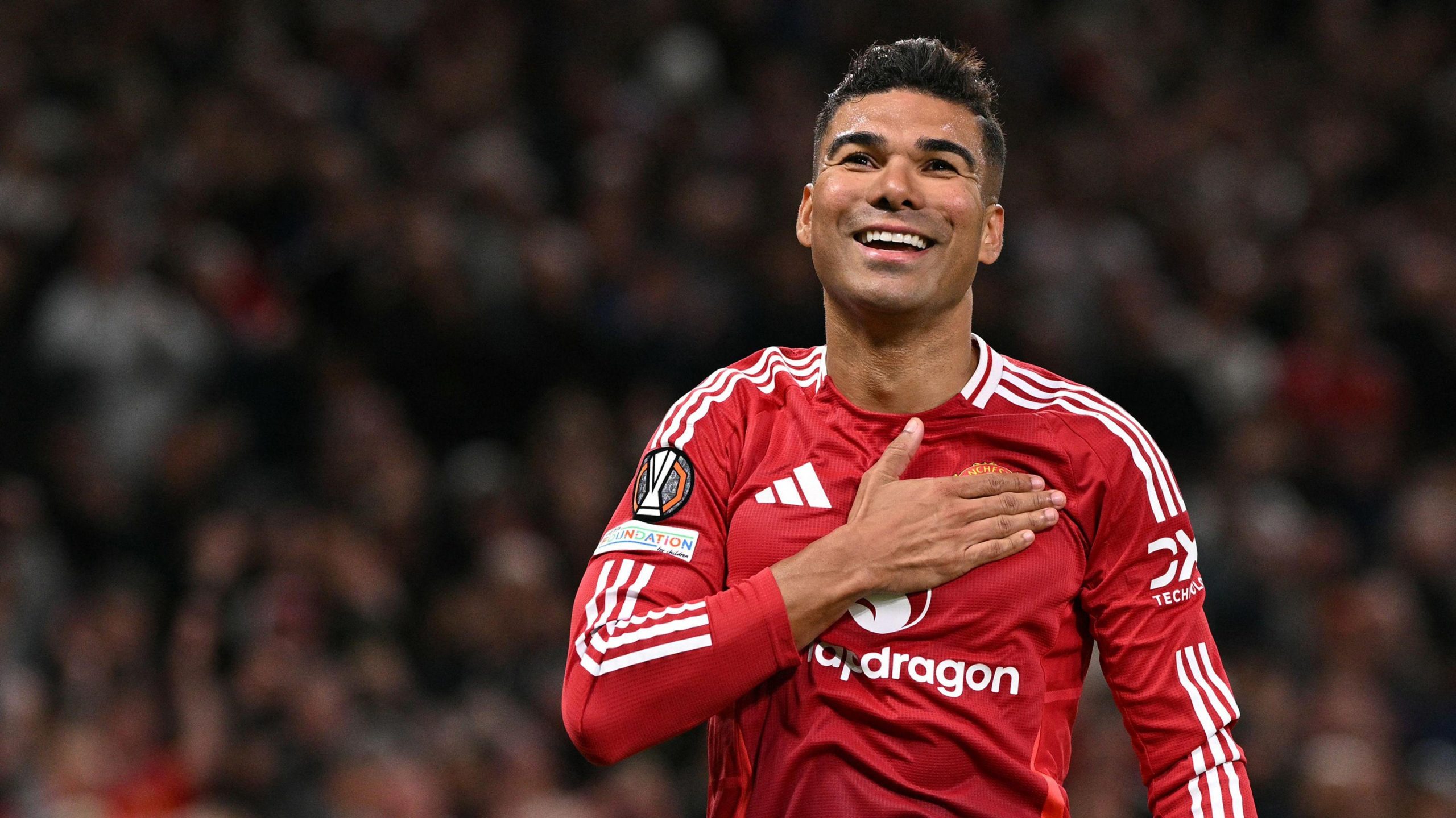
Adiós con honores en Old Trafford
La decisión de Casemiro de poner fin a su etapa en Old Trafford está tomada y no hay vuelta atrás. Tras cuatro años en el Teatro de los Sueños, el volante brasileño de 34 años anunció en enero su salida definitiva del Manchester United al final de la temporada 2025/26, tal y como confirmó el propio club en abril a través de Associated Press. En una emotiva publicación en redes sociales, dejó claro que su corazón seguirá siendo Red Devil para siempre, pero que “saber cuándo decir adiós” es también parte del camino del jugador maduro.
El entrenador interino Michael Carrick, que lo ha dirigido en este tramo final de temporada, ha sido contundente: no hay posibilidad de que Casemiro continúe. “Está bastante claro, por ambas partes, que la decisión es firme”, afirmó Carrick tras la victoria contra el Brentford, donde el brasileño volvió a marcar con un cabezazo que recordó por qué fue uno de los mediocentros más temidos de Europa. Lo más curioso es que, a pesar de la inminente despedida, Casemiro ha firmado su mejor momento de forma en la campaña, anotando siete goles en Liga y liderando al United en su lucha por la clasificación a la Champions League.
¿Por qué Miami y no Arabia?
Si el dinero habla en el mundo del fútbol, en este caso Casemiro parece haber preferido escuchar la voz de su familia. Según publicó el Mirror en exclusiva el pasado 29 de abril, el mediocampista ha rechazado ofertas multimillonarias procedentes de Arabia Saudí, tanto del Al-Hilal como del Al-Nassr, club donde milita su antiguo compañero Cristiano Ronaldo. Los jeques saudíes le pusieron sobre la mesa cheques de decenas de millones de libras, pero el brasileño dejó claro que prioriza el bienestar de los suyos.
La familia Casemiro ya posee una residencia en Florida, y la idea de asentarse en Miami es un factor determinante. A esto se suma el irresistible atractivo de vestir la misma camiseta que Lionel Messi. El projecto deportivo de las Garzas, con Beckham al frente y una plantilla cada vez más competitiva, ha conseguido seducir a un jugador que ya lo ha ganado todo en Europa: cinco Champions League, tres Ligas y múltiples títulos domésticos que le avalan como uno de los mediocentros más laureados de la historia.
El vacío de Busquets y la oportunidad perfecta
Desde el Inter Miami ven en la posible llegada de Casemiro mucho más que un fichaje mediático. La retirada de Sergio Busquets al inicio del año dejó un enorme agujero en la medular del equipo. El exfutbolista del Barcelona era el faro táctico que ordenaba el tempo del juego; sin él, Javier Mascherano y la dirección deportiva han buscado sin éxito una pieza que aporte el mismo equilibrio defensivo y experiencia.
Ahí es donde entra Casemiro. Aunque sus perfiles sean distintos —Busquets era más de posesión y Casemiro de destrucción—, el brasileño aportaría músculo, liderazgo y presencia en el área rival. No es casualidad que esta temporada esté firmando sus mejores números goleadores como profesional, incluyendo un récord de seis goles de cabeza en la Premier League. Su capacidad para proteger la defensa y, al mismo tiempo, aparecer en el segundo palo en las jugadas de estrategia, encajaría a la perfección con el estilo directo que a veces impone el fútbol de la MLS.
El factor Beckham y un contrato a largo plazo
Nadie mejor que David Beckham para entender lo que significa dar el salto a Estados Unidos en la recta final de una carrera legendaria. El copropietario del Inter Miami ya utilizó su influencia para traer a Messi en 2023, y ahora está empleando la misma estrategia con Casemiro. Según las informaciones del Mirror, el club de Florida ya habría mantenido conversaciones avanzadas con el entorno del jugador para ofrecerle un contrato que se extendería hasta diciembre de 2028, con una opción adicional de 12 meses incluida.
Esta apuesta a largo plazo demuestra la confianza plena en que el físico del brasileño aguantará el ritmo de la MLS, una competición que, aunque exigente, es considerablemente menos intensa que el fútbol europeo. Además, coincide con la extensión de contrato que Messi firmó el pasado mes de octubre para seguir en el club hasta 2028, lo que garantiza que ambos coincidirían en el vestuario durante al menos dos temporadas completas.
¿Qué puede aportar Casemiro al Inter Miami?
Para los aficionados de las Garzas, la llegada de Casemiro supondría un salto de calidad estratosférico en el centro del campo. Actualmente, Mascherano cuenta con David Ayala, David Ruiz y Yannick Bright para la posición de pivote defensivo, pero ninguno tiene el cartel ni la experiencia del brasileño. Con 34 años recién cumplidos, Casemiro todavía está en plenas condiciones físicas. En la presente Premier League está completando una media de 5.2 duelos ganados y 4 recuperaciones por partido, números que reflejan a un pulpo en la medular.
Pero más allá de las estadísticas, Casemiro aportaría algo que escasea en la MLS: jerarquía de Champions. Sus cinco orejonas, su personalidad y su capacidad para aparecer en los momentos calientes de un partido lo convierten en un líder nato. Además, compartir camerino con Messi, Rodrigo De Paul y el resto de estrellas del equipo no haría más que potenciar ese carácter competitivo. Para un club que busca consolidar su reinado tras ganar la MLS Cup en 2025, sumar a un jugador de esta categoría es un movimiento de gigante.
¿Qué rivales compiten por su fichaje?
El Inter Miami no es el único pretendiente. Tal y como señaló Fabrizio Romano a finales de marzo, LA Galaxy también habría preguntado por las condiciones del traspaso. El histórico club californiano, que ya supo atraer a estrellas como Beckham y Zlatan Ibrahimovic en el pasado, ve en Casemiro al relevo perfecto para seguir dominando la Conferencia Oeste. Sin embargo, el factor Messi y el proyecto de vida en Miami parecen inclinar la balanza del lado de la Florida.
Otro de los nombres que ha sonado con fuerza es el del Sao Paulo, club de la infancia de Casemiro en Brasil. Pero el deseo del jugador de continuar en una liga competitiva como la MLS y la oportunidad de jugar junto a Leo Messi han dejado al equipo brasileño en una clara desventaja.
El futuro de Casemiro y el Manchester United
Mientras el brasileño sueña con el sol de Miami, en Mánchester ya se preparan para su relevo. El club ha elaborado una lista de posibles sustitutos que incluye a Aurélien Tchouaméni y Bruno Guimarães como principales candidatos para llenar el enorme vacío que dejará el mediocentro.
Casemiro terminaba la temporada 2025/26 con números francamente buenos: 42 partidos oficiales, más de 2.800 minutos en cancha y cinco goles, amén de su liderazgo indiscutible dentro del vestuario. Un rendimiento que, lejos de empañar su leyenda, la ha engrandecido.
De concretarse el fichaje por el Inter Miami, el brasileño volvería a coincidir con Lionel Messi en el césped. Y qué mejor manera de cerrar una carrera plagada de éxitos que formando una dupla temible con el mejor jugador de la historia.

Reflexión final
El verano se presenta movido en Florida. La posibilidad de que Casemiro y Messi compartan vestuario es una noticia que electriza a los aficionados. El volante aportaría la solidez defensiva que tanto necesitan las Garzas para competir de tú a tú con los grandes de la Concacaf y buscar la ansiada corona internacional. La MLS nunca ha tenido tanto poder de convocatoria, y si finalmente el brasileño viste de rosa y negro, estaremos ante el movimiento más destacado del mercado después del Mundial.
¿Será capaz Casemiro de adaptarse al ritmo de la MLS? ¿Podrá entenderse a la perfección con el maestro argentino? Solo el tiempo lo dirá, pero si hay algo seguro es que la temporada 2027 del Inter Miami promete emociones fuertes. Que comience la cuenta atrás.
Y si este futuro pase de estrellas te ha dejado con ganas de lucir los colores de tu equipo favorito, no olvides visitar supervigo. Allí encontrarás algunas de las mejores camisetas de fútbol baratas páginas fiables para lucir a tus ídolos con la mejor calidad sin que el bolsillo se resienta. Porque vivir la pasión del fútbol empieza por vestir sus colores, y Supervigo es el sitio donde los aficionados de verdad encuentran su equipación perfecta.